
Introduction
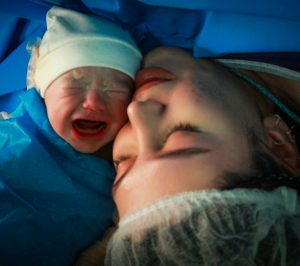
When a baby is born, the very first thing most people listen for is a cry. That sound often fills the room with relief and joy. Parents smile, doctors nod, and the baby begins its journey in the outside world. But have you ever wondered why that cry happens? Is it just an instinct, or is there a deeper purpose behind it? The truth is, a baby’s first cry is not just noise—it is the first step in survival and the start of independent life.
Body
Inside the womb, a baby lives in a safe, warm, and constant environment. For nine months, the baby doesn’t need to breathe through its lungs. Instead, oxygen and nutrients come directly from the mother through the umbilical cord. The baby’s lungs are filled with fluid, and its body is designed for this protected world.
When birth happens, everything changes in an instant. The baby leaves the comfort of the womb and enters a new environment filled with air, light, sound, and touch. The connection to the mother’s oxygen begins to close as the umbilical cord stops working. At that moment, the baby has one job: to breathe on its own for the first time.
The first cry is the way the baby takes that crucial first breath. When the baby inhales deeply and lets out a cry, it pushes out the fluid in the lungs and fills them with air. Millions of tiny air sacs inside the lungs, which were closed before, open up to allow oxygen to flow into the blood. At the same time, the baby’s heart changes its circulation pattern, sending oxygen-rich blood to every organ. In a matter of seconds, the body completely shifts from womb-life to
But the cry is not just physical; it’s also emotional and sensory. Imagine being in a dark, warm, quiet place and suddenly being exposed to cold air, bright lights, and new sensations on your skin. For the baby, crying is a natural response to this dramatic change. It’s the body’s way of saying, Something new is happening—I need to adjust. That loud cry tells everyone that the baby’s nervous system is awake and reacting.
Crying also has another important role: it connects the baby to the parents. The sound of a newborn’s cry triggers an instinct in the mother to hold and comfort her child. This reaction helps form an immediate bond. Nature designed that first cry not just for survival, but also to start the relationship between the baby and its family.
Some babies don’t cry loudly right away, and that’s okay as long as they start breathing and their color looks healthy. What matters is not the sound itself, but the process of opening the lungs and taking in air. Still, in most cases, crying is the fastest and most effective way for the baby to kickstart life outside the womb.
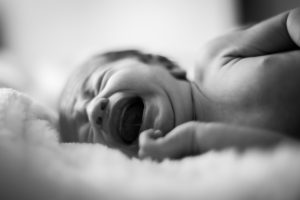
Crying after birth also helps strengthen the baby’s body. The effort of that first breath exercises the lungs and chest muscles. It also stimulates the brain and helps regulate body temperature. In this way, that small sound does a huge amount of work for such a tiny human.
Conclusion
A newborn’s first cry is far more than a simple sound. It is the moment life changes completely. In one breath, the baby leaves the safe world of the womb and starts living independently. That cry clears the lungs, brings in oxygen, and signals to everyone that the baby is alive and ready to begin. It is a mix of survival instinct, biology, and human connection. Behind every first cry is the story of transformation—the instant a new life truly begins.
About the Author





 English