
Introduction
In 2026, tensions between the United States and Iran have reached a dangerous new phase—one that goes beyond traditional military threats. Unlike past confrontations, today’s conflict is not only about weapons or territory, but about control over global energy, economic influence, and political power. What makes this situation unique is that the war has not officially started, yet its consequences are already being felt worldwide.
Recent developments show a shift from diplomacy to pressure tactics, creating what many analysts call a “silent war.” This article explores what is really happening behind the scenes and why the world should pay attention.
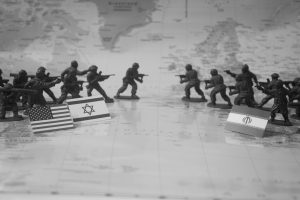
A New Type of Conflict
The current standoff between the U.S. and Iran is no longer limited to nuclear negotiations. While talks have officially failed due to disagreements over uranium enrichment and control of strategic routes, both sides are now playing a more complex game.
The United States is focusing on economic and military pressure, while Iran is strengthening its regional alliances and defensive capabilities. This creates a situation where neither side wants a full-scale war, but both are preparing for one.
The Strait of Hormuz: The Real Battlefield
One of the most critical elements in this conflict is the Strait of Hormuz. This narrow waterway is responsible for transporting nearly 20% of the world’s oil supply. Any disruption here could send global markets into chaos.
Reports suggest that the U.S. is considering strong actions to control maritime activity in this region, including restrictions on ships linked to Iran.
For Iran, this is a red line. The country sees control of the strait as a matter of national sovereignty and economic survival. This makes the situation extremely sensitive, as even a small incident could escalate into a larger conflict.
Economic Shockwaves Already Starting
Even without open war, the global economy is already reacting. Oil prices have surged significantly in recent months, with increases of up to 50% reported since early 2026.
This rise affects everything—from fuel prices to food costs—making everyday life more expensive across the globe. Countries that depend heavily on imported energy are the most vulnerable.
At the same time, the conflict is affecting technological industries. U.S. plans to dominate the AI sector are being slowed down due to disruptions linked to the Iran situation.
This shows that the impact of the crisis goes far beyond the Middle East.

Why Diplomacy Is Failing
Despite multiple rounds of negotiations, both sides remain far apart. The U.S. demands strict limitations on Iran’s nuclear program, while Iran insists on its right to develop nuclear energy for civilian purposes.
Trust is the biggest issue. Years of sanctions, broken agreements, and political pressure have created deep skepticism on both sides. As a result, even when talks happen, they rarely lead to real progress.
This deadlock increases the risk of miscalculation—where a small misunderstanding could trigger a larger conflict.
A War Without Declaration
What makes this situation different from past conflicts is the absence of a formal declaration of war. Instead, we are witnessing a gradual escalation:
- Economic sanctions
- Military positioning
- Cyber operations
- Strategic threats
This kind of “gray zone conflict” is harder to predict and more dangerous in the long term.

America vs Iran 2026 Conclusion
The tension between America and Iran in 2026 represents more than just a regional dispute—it is a global issue with far-reaching consequences. From oil markets to technology sectors, the effects are already being felt.
What happens next will depend on whether diplomacy can be revived or if both sides continue moving toward confrontation. One thing is certain: even without a formal war, the world is already experiencing the impact of this silent conflict.
About the Author







 English