
Introduction
Most people believe they understand others quite well. We talk, we listen, we react—and we assume that what we see on the surface reflects what is truly happening inside. But reality is different. Human behavior is complex, and what people show is often only a small part of what they actually feel.
This gap between what is visible and what is hidden is what makes psychology fascinating… and sometimes confusing. Learning how to understand people is not about guessing or judging quickly—it’s about observing deeply and thinking carefully.

The Illusion of “I Know Them”
One of the biggest mistakes people make is believing they fully understand someone just because they’ve known them for a long time.
In reality, people change. Their thoughts, emotions, and motivations evolve depending on their experiences. Someone who was open and expressive before might become quiet and distant later—not because they changed completely, but because something inside them shifted.
When you think you “already know” someone, you stop paying attention. And that’s where misunderstandings begin.
What People Show vs What They Feel
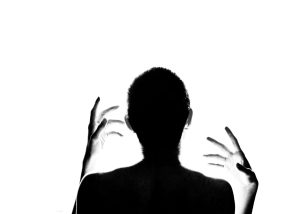
There is always a difference between what people show and what they feel.
- Someone might smile while feeling stressed.
- Someone might stay silent while being hurt.
- Someone might act confident while dealing with deep insecurity.
This doesn’t mean people are fake. It simply means that not everything can be expressed openly.
Understanding this idea changes everything. Instead of taking behavior at face value, you start asking deeper questions:
- What could this person be feeling behind this reaction?
- Why did they respond this way instead of another way?
These questions open the door to real understanding.

The Role of Emotions in Behavior
Most decisions people make are emotional before they are logical.
Even when someone explains their actions using logic, emotions are usually behind the scenes influencing everything. Fear, insecurity, excitement, jealousy—these emotions shape behavior more than we realize.
For example, a person might avoid opportunities not because they are lazy, but because they are afraid of failure. Another might act aggressively not because they are strong, but because they feel threatened.
When you look at behavior through emotions instead of actions alone, things start to make more sense.
Listening Is More Than Hearing Words
Many people think they are good listeners, but in reality, they only hear words.
True listening means paying attention to:
- tone of voice
- pauses
- choice of words
- what is not being said
Sometimes, silence says more than a long explanation.
When someone hesitates before answering, changes the subject quickly, or avoids eye contact, these are signals. They don’t always mean something negative, but they always mean something important.
The goal is not to judge—but to notice.
Why We Misunderstand Others
Misunderstanding people is common, and it usually happens for simple reasons:
- We judge too quickly
- We compare others to ourselves
- We let our emotions affect our interpretation
- We assume instead of asking
For example, if you are in a bad mood, you might see someone’s neutral behavior as negative. Your mind fills the gaps with assumptions, not facts.
That’s why self-awareness is just as important as understanding others.
The Power of Observation
Observation is one of the most underrated skills.
When you slow down and observe people without rushing to conclusions, you start noticing patterns:
- how someone reacts under pressure
- how they behave when they are comfortable
- how they treat different
These patterns reveal more than a single moment ever could.
Understanding people is not about one interaction—it’s about consistency over time.
Empathy: The Missing Piece
Empathy is what turns observation into understanding.
It means putting yourself in someone else’s position—not to agree with them, but to see things from their perspective.
When you practice empathy, you stop asking, “Why are they like this?” and start asking, “What could they be going through?”
This shift changes how you interact with people. You become more patient, less reactive, and more aware.
Conclusion
Understanding people is not easy, and it’s not something you master overnight. It requires patience, attention, and a willingness to look beyond the surface.
The more you observe, listen, and reflect, the better you become at reading situations and . Not perfectly—but better than before.
And in a world where most people rush to judge, the ability to truly understand others becomes a rare and powerful skill.
About the Author





 English